Buenos Aires with Kids: Things to Do and Family Travel Tips

Buenos Aires with Kids: Things to Do and Family Travel Tips

For a family trip to Buenos Aires, I recommend planning one main activity each day, leaving time for a playground stop and keeping an indoor option ready for rain.

Start with Palermo’s parks for outdoor time, Museo de los Niños for hands-on play or a Planetario show chosen for your children’s ages.

As a photographer in Buenos Aires, I enjoy experiences that give children space to move, explore and get involved. You don’t need a packed itinerary to make the trip memorable. A few well-chosen activities, with time between them, can make the city much easier to enjoy together.

Is Buenos Aires a good destination for families?

Yes, particularly if your family enjoys a mix of city life, parks and creative activities. Buenos Aires has public playgrounds, children’s museums and cultural programs that you can combine with neighborhood walks and relaxed meals.

The important part is choosing plans that suit your children’s interests and energy. A child who loves imaginative play may enjoy a miniature city more than a long museum visit. Another might happily spend the afternoon looking for birds or taking photographs.

You can still explore the places that interest you. Just leave room for their version of the day, too.

What are the best things to do in Buenos Aires with kids?

Before booking paid attractions, check their official pages for opening days, ticket categories and any age or language requirements. Here are the places and experiences I would consider when building your family itinerary.

Parque Tres de Febrero for outdoor time

The Bosques de Palermo, within Parque Tres de Febrero, offer lakes, walking paths and green spaces where you can slow down between other activities. The area also has recreational options such as pedal-boat rentals; check availability and conditions with the operator on the day.

Bring water, something to sit on and a snack. You can make this your main outing rather than treating it as a quick stop between attractions.

For a simple activity, invite your children to notice three different birds, find an interesting leaf or photograph a reflection. There’s plenty to discover without adding another booking to your day.

Themed playgrounds for a free break

Buenos Aires has playgrounds inspired by nature, space, music and local culture. They are worth including as part of your plans, especially when your children need time to climb, run and play.

In Palermo, Plaza Intendente Casares has a botanical theme, with play structures inspired by trees and forest life. You can also explore themap to find options near where you’re staying.

My suggestion: save a nearby playground before you leave your accommodation. It’s useful to have an easy option when everyone needs a change of pace.

Museo de los Niños Abasto for imaginative play

Museo de los Niños is an indoor, interactive museum inside Abasto Shopping. Its miniature city lets children explore everyday roles through play, from working in a kitchen to taking part in a television studio.

The museum is designed for children up to age 12, making it an option to consider when you need an indoor activity.

I would keep this on your rainy-day list. Choose your visit around your children’s interests and give them time to explore, rather than trying to fit every activity into one visit.

Planetario Galileo Galilei for curious minds

The Planetario Galileo Galilei offers immersive astronomy shows, including programs designed for younger audiences. Choose the specific show carefully: the recommended age and format matter more than simply booking whatever is available.

If your children don’t speak Spanish, confirm the presentation language before buying tickets. It’s also worth considering how comfortable they are with a dark theater and an immersive projection.

You can combine a suitable show with some outdoor time in the surrounding Palermo park area.

Ecoparque for wildlife and conservation

On the grounds of the former Buenos Aires Zoo, Ecoparque now focuses on wildlife rescue, native-species conservation and environmental education.

It’s an opportunity to introduce children to the animals and habitats of Argentina while learning why protecting them matters. Let their questions guide part of the visit, and follow the park’s instructions around wildlife.

International visitors should budget for admission. Check the current ticket category for each family member, since prices and exemptions depend on factors such as residency and age. The park also closes in rainy conditions, so keep it as an outdoor-weather plan.

Temaikèn for a day outside the city

Temaikèn, in Belén de Escobar, is a biopark with an aquarium, bird habitats and educational spaces connected to its conservation work.

I would plan this as a dedicated outing rather than trying to squeeze it between activities in central Buenos Aires. Arrange your journey there and back, and allow time for walking, meals and breaks.

It’s an option for families who want to spend a substantial part of the day exploring wildlife-related exhibits. If your stay is short, you may prefer to keep your plans closer together within the city.

Photo Safari for Kids for a creative adventure

If your children enjoy taking pictures, my Photo Safari for Kids turns exploring Palermo Soho into playful photography challenges. With a phone or camera, they can discover colors, light and small details while creating their own photographs of Buenos Aires.

You can try a little challenge on your own, too: find something red, a repeating pattern and an interesting shadow. Let each child choose what to photograph, then look at the images together.

It’s a lovely way to discover what caught their attention during the trip.

When is the best time to visit Buenos Aires with kids?
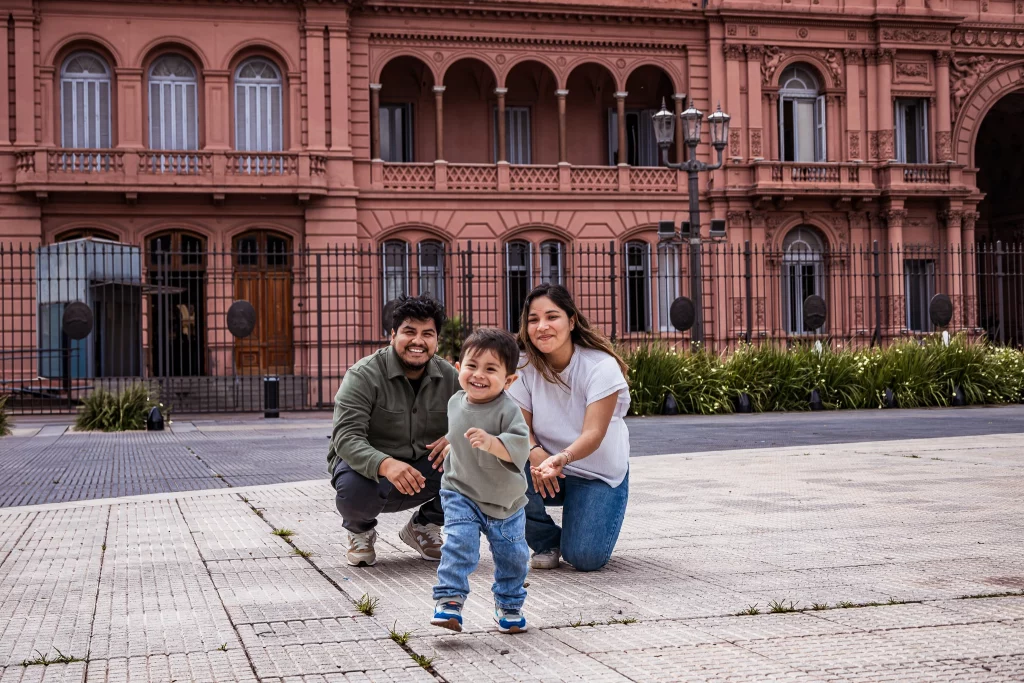
Beautiful candid child portraits in Buenos Aires, Argentina.

For a trip centered on parks and walking, I would prioritize October–November or April–May. Spring and autumn generally offer comfortable conditions for spending time outside, although you should still expect changing weather and possible rain.

Summer can be hot and humid, so plan outdoor activities earlier or later in the day and leave room for an indoor break. In winter, bring layers and mix park visits with indoor activities.

The best month also depends on your family’s schedule. You can adapt the activities to the season without needing to wait for one perfect time of year.

Practical tips for a family trip to Buenos Aires

Choose accommodation around your everyday needs. A nearby grocery store, an easy breakfast option and a playground may be more useful than a long list of hotel facilities. If you’re bringing a stroller, check the building entrance and elevator access before booking.

Keep familiar routines where they help. You don’t need to replace your children’s usual bedtime with late dinners. Check restaurant kitchen hours and leave time for naps or a quiet afternoon.

Group activities by area. Choose a main outing and one optional nearby stop. For example, a Planetario visit and time in the surrounding park can make a manageable day without crossing the city several times.

Plan transport before everyone is tired. Check the return journey as well as the outward route. Arrange airport transfers and any child seats you need in advance.

Keep one indoor backup. Museo de los Niños is one option. For temporary events, workshops and performances, Buenos Aires para Chicos publishes a local family activity calendar in Spanish. Confirm the details with the organizer before going.

Is Buenos Aires safe to visit with kids?

You can explore Buenos Aires as a family while taking normal city precautions. Keep bags and phones secure, stay attentive in crowded places and use pedestrian crossings when navigating busy avenues.

The U.S. travel advisory highlights petty theft in popular visitor areas and on crowded public transportation. Review the current Argentina travel advice before your trip and plan your journeys around the time of day and your family’s needs.

Give yourself permission to shorten an outing or take a direct ride back when everyone has had enough.

Continuing your family trip beyond Buenos Aires

If your itinerary also includes Iguazú Falls, Península Valdés or Bariloche, plan those destinations as separate stages of your Argentina trip. They require additional travel time and their own seasonal planning.

Leave space between journeys to rest, especially when traveling with younger children.

Make room for a memory with everyone in it

If one person usually takes all the family photos, this is a chance for them to be in the picture, too.

During my family sessions, I make room for movement, play and little breaks. Children don’t need to stand still or smile on command for us to create meaningful photographs together.

You can explore my family photoshoot options in Buenos Aires and choose the experience that suits your family.

And whatever you put on your itinerary, leave a little room for the unexpected favorite: a playground you hadn’t planned to visit, a new ice cream flavor or a photograph your child is proud to show you.

See you in Buenos Aires,

Gi.

Copyright © 2026wanderportraits.com
Best Milongas to Discover the Authentic Tango Culture

Best Milongas to Discover the Authentic Tango Culture

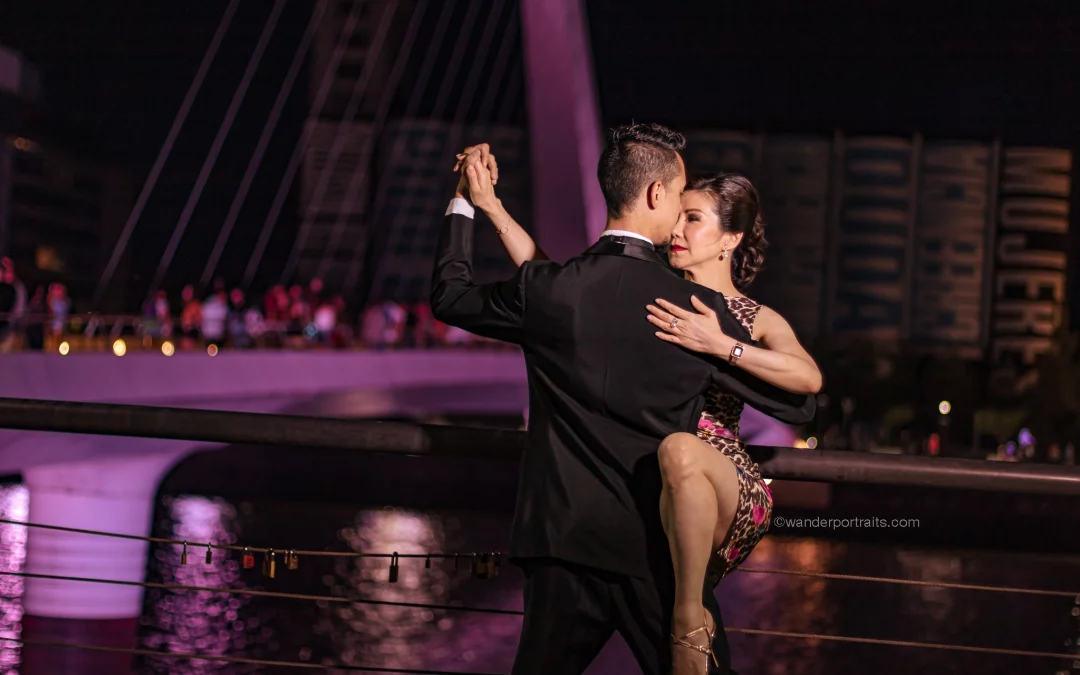
To experience Buenos Aires’ social tango culture, visit a milonga: a gathering where people come together to dance.

You can also go to listen and watch. If you’re new to tango, choose an evening with a beginner class; if you prefer to stay seated, ask about visitor seating when planning your visit.

Each place has its own atmosphere, and the event happening that day matters as much as the venue. Here are five options to consider, along with a few practical details to help you enjoy your first evening.

What is a milonga?

In Buenos Aires, milonga commonly means a social tango event. People meet to dance, listen to music and spend time together. The word is also used for the venue hosting it.

You may also hear milonga used to describe a musical genre and dance, alongside tango and tango vals. Its meaning depends on the context: someone inviting you to “a milonga” usually means the social gathering.

Tango’s cultural importance extends beyond the dance floor. UNESCO added it to its Representative List of the Intangible Cultural Heritage of Humanity in 2009, recognizing the shared tradition of Argentina and Uruguay.

Five milongas and tango venues to consider

These places offer different ways to approach an evening of tango. Before going, confirm the specific event, address, admission price and whether a class or table reservation is available.

Salón Canning for a classic tango setting

Address: Av. Scalabrini Ortiz 1331, Palermo.

Salón Canning is an option I would consider for its traditional dance-hall atmosphere. It hosts different milongas, so look beyond the venue name and check who is organizing the event on your chosen date. The Association of Milonga Organizers lists several events at this address.

You can consult A Puro Tango’s announcements for its current event details. Confirm the venue and reservation arrangements before setting out.

La Viruta Tango Club for classes and a lively evening

Address: Armenia 1366, Palermo.

La Viruta Tango Club combines social dancing with classes for different levels. Its program includes tango and other dance styles, and it welcomes an international audience.

If you’re curious about trying tango, I would look at the beginner class first. It gives you a chance to learn a few basics before deciding whether to stay for the milonga.

Check the class level and starting time rather than assuming that arriving during the social dancing will include an introduction.

La Catedral for a more relaxed atmosphere

Address: Sarmiento 4006, Almagro.

La Catedral Club brings a bohemian setting to the experience, with an informal atmosphere and a program of tango classes and activities. Its official website lists the current class information.

I would consider it if a formal dance hall feels a little intimidating. You can start with a class and give yourself time to become comfortable with the music and the space.

El Beso for traditional social tango

Address: Riobamba 416.

El Beso is a longstanding tango venue with classes and a varied calendar of milongas. Its program includes both afternoon and evening events, which is useful if you would prefer an earlier outing.

This is an option to explore if you’re interested in the customs of social tango. Check the specific milonga listings to choose an event that suits your experience and plans.

La Baldosa for a neighborhood milonga

Venue: Salón El Pial, Cnel. Ramón L. Falcón 2750.

La Baldosa offers another way to explore the city’s tango scene beyond the areas where you may be staying. The city’s official milonga directory lists it at Salón El Pial, with classes as part of its offering.

Check the organizer’s latest announcement and plan your journey there and back. If you want to join the class, confirm its starting time separately from the milonga.

Can you visit a milonga without dancing?

Yes. You can enjoy the music and watch without joining the dance floor. Let the organizer know that you’re coming mainly to observe and ask about seating.

Remember that you’re sharing a social space with people who are there to dance. Keep the floor and its entrances clear, and give yourself time to settle into the atmosphere.

What should you wear to a milonga?

There is no single dress code for every milonga. Some events are more formal, while others are relaxed. Smart-casual clothing is a useful starting point, but check the specific event.

If you plan to dance, prioritize clothes you can move in and secure, comfortable shoes. For a first class, ask the teacher what footwear they recommend. You don’t need to buy a complete tango outfit before trying it.

A few tango customs worth knowing

  • Mirada and cabeceo: Eye contact and a small nod are a traditional way to invite someone to dance. Look for a clear response and respect a declined invitation.
  • Tandas and cortinas: Music is commonly organized into sets called tandas, separated by short musical breaks called cortinas.
  • The ronda: Couples move around the floor counterclockwise. Follow the flow and keep your movements appropriate to the available space.
  • Learning and social dancing: Save corrections and practice exercises for a class or práctica rather than giving unsolicited instructions during a dance.

You don’t need to memorize everything before arriving. Observe the room, be considerate and ask the host when you’re unsure.

As a photographer, I would add one more thing: ask about photography before taking pictures. Get permission for close-up photographs, avoid flash and keep your phone or camera out of the dancers’ way.

Which Buenos Aires neighborhood is famous for tango?

San Telmo is one of the neighborhoods most closely associated with tango, with a strong cultural scene and several venues where you can watch performances.

But the milonga scene extends across Buenos Aires. Palermo, Almagro and other neighborhoods offer their own places to dance and listen.

For a first visit, I would choose the event that interests you and then plan your route, rather than limiting your search to one neighborhood. Check Milongas en Buenos Aires to explore options by day, area and availability of classes.

Is it worth going to a tango show in Buenos Aires?

Yes, if you would enjoy a professional performance with an arranged program and audience seating.

A milonga centers on social dancing. A tango show presents a staged performance for an audience. Both can be meaningful ways to experience tango; choose according to the kind of evening you want.

For a show, one option I recommend is El Viejo Almacén, in San Telmo. It offers show-only and dinner-and-show packages, so you can choose how to organize your evening.

El Viejo Almacén is one of my partners. Book any of their regular packages and enjoy a VIP upgrade by mentioning “WanderPortraits by Gissel” when you reserve.

Book with El Viejo Almacén through my recommendation.

Whether you try your first steps or spend the evening listening, give yourself time to enjoy it. You don’t need to know every song or understand every movement to find something you love about tango.

See you in Buenos Aires,

Gi.

Copyright © 2026wanderportraits.com
How to Pay in Argentina

How to Pay in Argentina

Cash cards Apple Pay and QR payments

By Gissel Arbelaez | Updated November 2, 2026

If you have been reading about money in Argentina, you may be arriving with a rather long checklist. Dollars, exchange rates, cash withdrawals… it can sound like a project of its own.

Paying here can be much simpler than that, especially in Buenos Aires. Cards, contactless payments and apps that connect to local QR payments give you more ways to cover everyday expenses. My recommendation is to bring a working card, set up a digital payment option and keep some pesos as backup.

I’m Gissel, a photographer in Buenos Aires. Here is how I would prepare for the practical side of paying during a visit, so you can spend more time enjoying the city.


What has changed since 2025

Argentina changed its exchange system in April 2025, introducing a floating exchange rate within bands and lifting certain restrictions. That did not create one universal dollar rate for every transaction. The amount you pay can still depend on the provider, payment method and fees.

For visitors, the useful change is having more options beyond exchanging cash. Foreign cards, phone payments at compatible terminals and access to local QR payments can all form part of your plan. You do not need to build your entire trip around finding an exchange counter.

Paying with a foreign credit or debit card

Bring a card enabled for international purchases, and check your bank’s foreign transaction fees before you leave. A second card, stored separately, is a useful backup. Ask about accepted payment methods before ordering or committing to a purchase.

The Argentina credit card exchange rate is not necessarily the cash exchange rate you see online. Visa publishes a specific conversion arrangement for eligible cards issued abroad. Confirm your own card’s conditions with its issuer; do not assume that a rate or percentage from an old article still applies.

If a terminal offers to charge you in your home currency, review the conversion and any markup. For a purchase priced in pesos, I would choose Argentine pesos unless the alternative is clearly better after fees. Paying in your home currency is not automatically cheaper.

Does Apple Pay work in Argentina

Yes, at compatible contactless terminals, with a supported card. The business also needs to accept your card’s network. You can ask, “¿Puedo pagar con contacless” (Yup, locals say it the way you do) before tapping your phone or watch.

Apple Pay uses your linked card, so check that card’s international payment conditions. Keep the physical card with you as backup. And remember that tapping a terminal and scanning a merchant’s QR are different payment methods: Apple Pay does not automatically give you access to local QR payments.


A payment option I’ve found useful

I’ve been using WanderWallet in Brazil, Argentina, Colombia and Bolivia, and I’ve found it easy to use. In Argentina, it’s a handy option when a business offers a QR code or asks for a local transfer.

Eligible foreign cards offer an exchange rate linked to the MEP dollar, though the final cost can vary depending on your card network and bank fees. Some businesses may not accept foreign cards or may quote a higher price for card payments. Having a QR or local transfer option can help in these situations – just compare the final amount before paying.

If you’re visiting several countries on the same trip, having another way to pay through one app can be useful, too. I’d suggest setting it up before your trip so you have time to verify your account and explore the available funding options. You can check the conversion and any fees before confirming a payment.

WanderWallet is one of my partners, and I’m happy to share something I use myself. If you’d like to try it, you can join through my invitation link.

With verified, active accounts, we can both claim a 5 reward in USDC once you complete five qualifying payments at five different merchants,spending at least US 4 at each and US$20 in total. The reward is claimed in the app. You can find the full details in the referral terms.

Bringing cash and exchanging dollars in Buenos Aires

Even with more digital payment options, I like having a little cash available. Some pesos can come in handy for small purchases or whenever paying digitally isn’t an option.

If you bring US dollars to exchange, I recommend clean US50orUS100 bills without writing, stains or tears. Providers may have different requirements or offer different rates depending on the bills, so it’s worth asking beforehand.

Choose an authorized exchange provider and confirm the final amount of pesos you’ll receive, along with any identification requirements. Checking opening hours in advance can save you an unnecessary trip.

You don’t need to exchange your whole budget on arrival. Start with what you expect to spend and adjust as you go. If you use an ATM, check the withdrawal limit and fees shown on screen, as well as any charges from your bank.


Questions about paying in Argentina

Is cash or card better in Argentina

I would bring both and add a compatible digital wallet if useful. The best choice for a purchase depends on acceptance, the final cost and what you find convenient.

Can foreigners pay a Mercado Pago QR

Yes, through a compatible service such as WanderWallet. That is different from opening your own Mercado Pago account. Check that the payment is supported and review the total before confirming.

Should I bring dollars or Argentine pesos

For cash spending, you need pesos unless a business explicitly agrees otherwise. If you bring dollars to exchange, check the provider’s rate and bill requirements. You do not need to carry your whole budget in cash.

A little preparation before you arrive

Have your payment options ready, keep some pesos handy, and leave yourself one less thing to figure out when you arrive. I hope these tips help you feel more comfortable paying your way around Buenos Aires.

Enjoy your time here!

Gi.

Copyright © 2026wanderportraits.com
Best Photo Spots in Buenos Aires

Best Photo Spots in Buenos Aires

A Creative Guide for Travelers

A colorful wall might make you stop in Buenos Aires. Then you notice the doorway beside it, the reflection in a café window, or the shadow stretching across the sidewalk. One corner suddenly becomes a whole collection of photographs.

I’m Gissel, a photographer based in Buenos Aires. This guide to the best photo spots in Buenos Aires will help you choose where to go and what to look for, whether you’re bringing a camera or using your phone.

The locations below are starting points for exploring. Give yourself time to notice what interests you between them, too.

Choose a place for the photographs you want to make

  • Caminito in La Boca for bold colors and painted façades.
  • Plaza Dorrego and Defensa in San Telmo for street scenes and old storefronts.
  • Avenida Alvear and the Faculty of Law area for architecture and scale.
  • Puente de la Mujer and the docks for reflections and geometry.
  • Plaza Armenia and the surrounding Palermo Soho streets for murals and café life.
  • El Rosedal and the Palermo Woods for flowers, greenery, and water.
  • The Eco park for a little safari oasis in the middle of the city.

Caminito and La Boca for color and texture

Around Caminito, painted balconies and corrugated metal give you plenty to work with. Rather than fitting every color into one image, choose a smaller section of the scene. A doorway framed by contrasting walls can be enough.

Look at the light before deciding on your angle. Direct sun makes shadows part of the composition, while shaded surfaces let you concentrate on color and texture. The same façade can produce very different images from opposite sides of the street.

Start around Caminito during daytime activity and keep your belongings attended. Ask before photographing performers or posed scenes, and clarify any payment expectations.

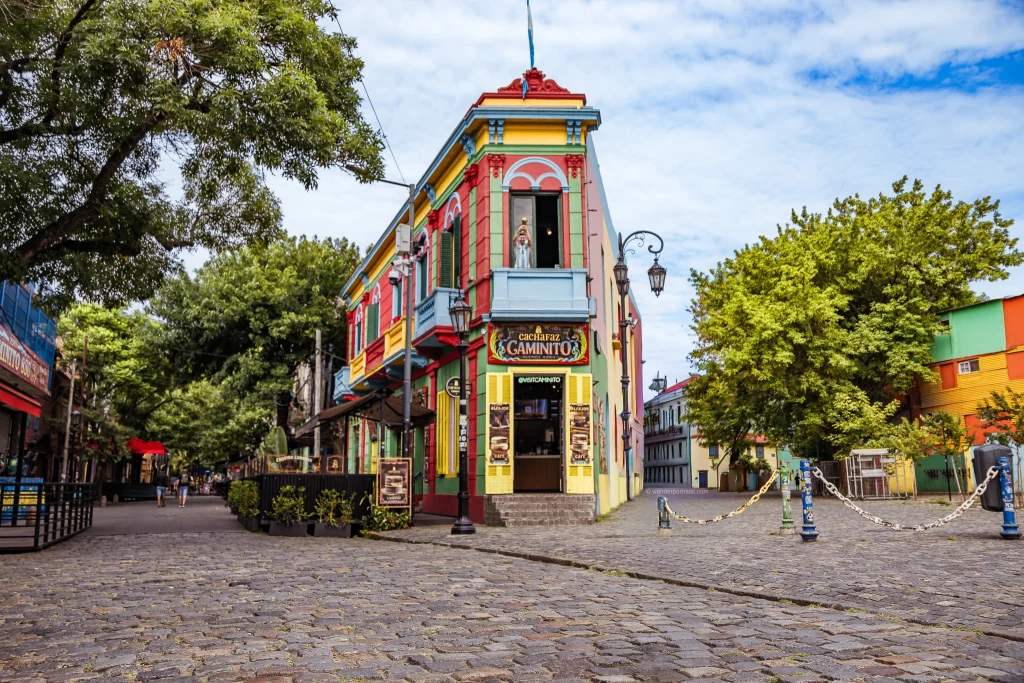
Colorful façades and balconies along Caminito in Buenos Aires

San Telmo for scenes and small details

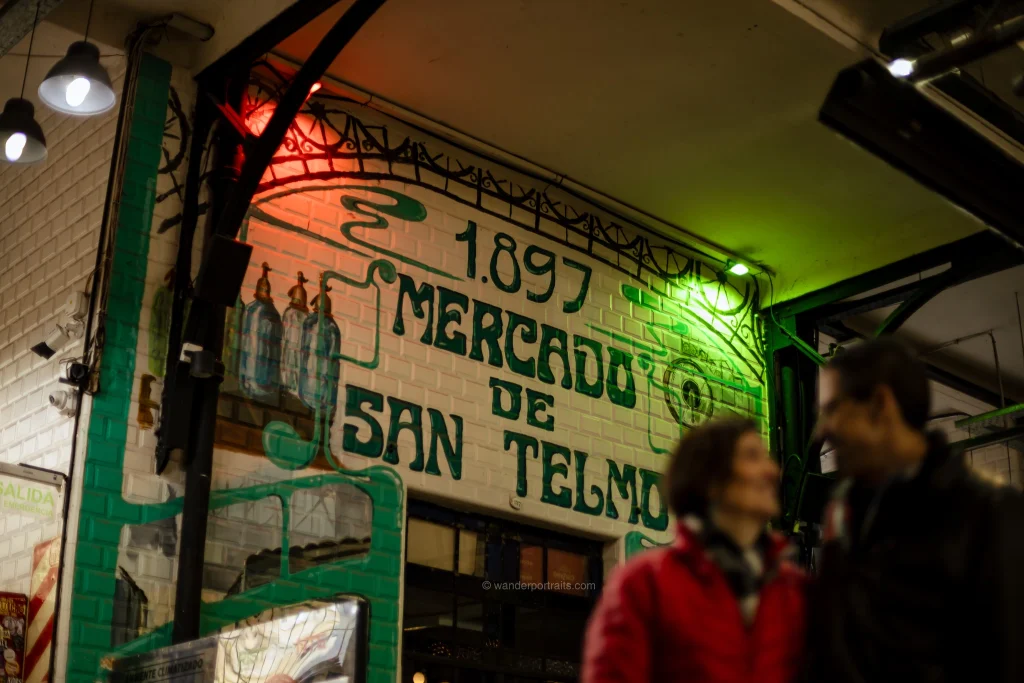
Use Plaza Dorrego, Defensa, and Mercado de San Telmo as starting points. Look for old lettering, café furniture, antique displays, and the relationship between shop windows and the street outside.

The market also offers metal arches and structural details worth looking up for. It is a working space, so keep passageways clear and ask vendors before photographing them or their displays, also spare some time in the market since you might be tempted to grab a bite!

If you enjoy busy scenes, spend time observing how people move through the frame. If you prefer details, narrow your attention to a doorway, a collection of objects, or a reflection. You can make a satisfying set of photographs without covering the whole neighborhood.

San telmo Market cinematic photograph of a couple

Recoleta for architecture and scale

Along Avenida Alvear, look above street level for balconies, decorative stonework, and repeating windows. Start with the wider façade, then move closer to the feature that caught your attention.

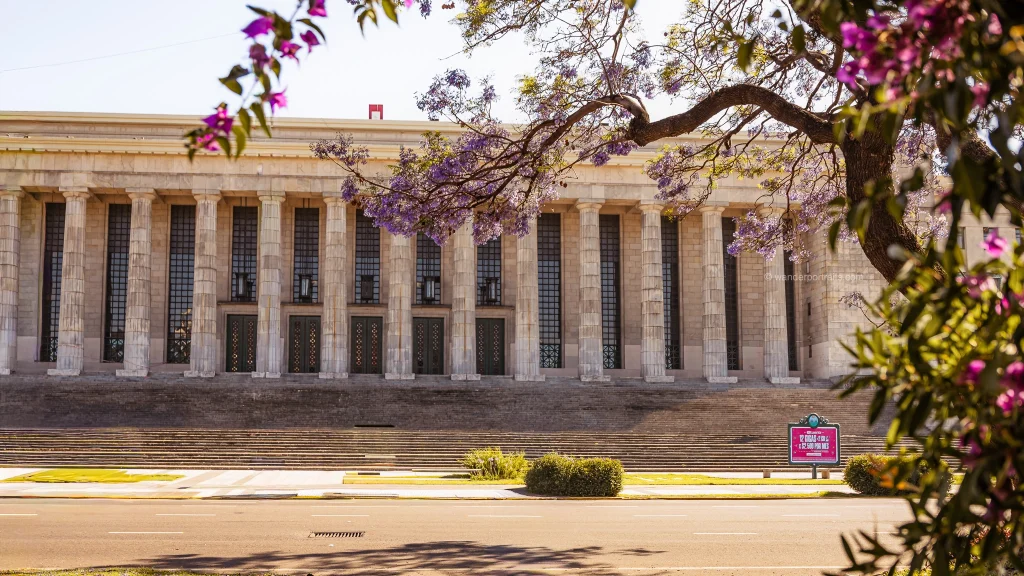
The Faculty of Law and Floralis Genérica area offers another setting to explore, with larger forms and more open space. Treat these as separate stops within your outing rather than assuming every Recoleta landmark sits on the same block.

For architectural photographs, watch the edges of your frame. Keeping your camera level helps reduce converging vertical lines. Tilting upward can also work when you want to emphasize height; another great tip is to be far away from the building, this will give you more perspective and a better geometrical framing. 

The law university of buenos aires during spring time

Puerto Madero for Reflections, Golden Hour, and Night Lights

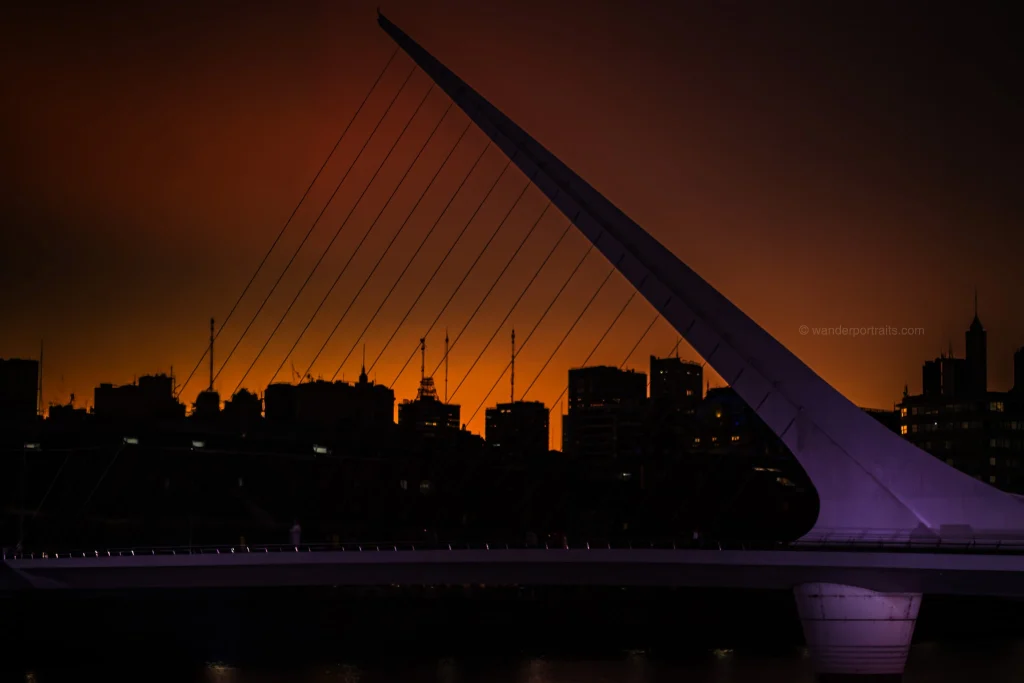
Puente de la Mujer and the surrounding docks offer plenty of opportunities for photography in Buenos Aires. Use the bridge, waterfront buildings, and their reflections to create simple, graphic compositions.

Walk a little before choosing your frame. Structures may overlap awkwardly from one angle, while a few steps to the side can separate their outlines. Treat the reflection as a subject of its own, especially when moving water breaks it into patterns.

Visit during golden hour to capture warm light along the waterfront, then stay as evening brings out the city lights. Watch how the illuminated buildings and bridge change the reflections on the water as the light fades. If you’re a more advanced photographer, bring a tripod for long-exposure shots of Puerto Madero’s waterfront lights and reflections. The wide pedestrian areas offer plenty of room to set up comfortably while leaving space for others to pass.

Puente de la Mujer and buildings reflected in the Puerto Madero docks during sunset

Palermo Soho for Murals and Everyday Street Life

Start around Plaza Armenia or Plaza Serrano and explore the surrounding streets. Murals, storefronts, windows, and outdoor tables offer plenty of details to photograph in Palermo Soho.

A mural does not have to fill the whole frame. Include a doorway or another street element to give it context. Look for windows that combine reflections with glimpses of life behind the glass.

Murals and businesses change, so leave room for discovery rather than planning your visit around one image you saw online. Ask permission before photographing inside cafés or shops, and pay attention to the neighborhood’s everyday rhythm. Don’t miss the verdulerías (fruit and vegetable shops) or dog walkers passing by. Go in the morning to watch the day unfold.

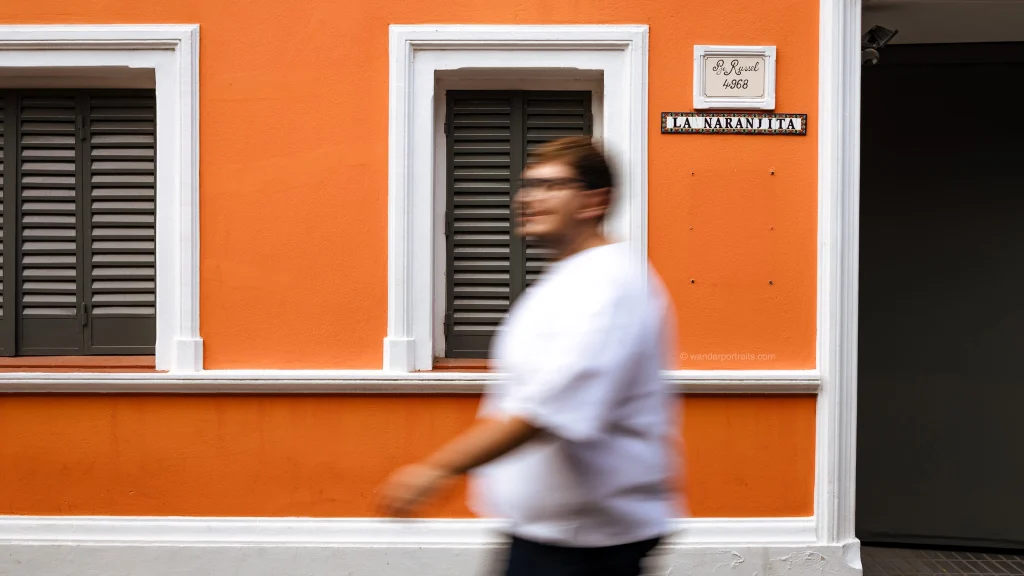
An artistic photograph in high exposure taken in palermo soho

El Rosedal and the Palermo Woods for Greenery

El Rosedal and the surrounding Palermo Woods offer garden paths, greenery, and lakes for a slower photography outing. Start with a wider garden view, then look for smaller subjects: a backlit leaf, a flower against a darker background, or a pattern reflected on the water.

You can still make interesting photographs when the flowers are not at their peak. Trees, textures, changing light, and the resident ducks provide subjects throughout the year.

Check current opening hours before visiting enclosed gardens. Stay on designated paths and give other visitors and wildlife space.

While you’re exploring the Palermo Woods, continue your walk to the Japanese Garden for another setting to photograph. There is an entrance fee, so check the Japanese Garden’s official website for current admission prices and opening hours.

For an urban photo safari, add Ecoparque to your Palermo walk. Look for wildlife among the greenery and historic architecture, keeping a respectful distance as you photograph. The park also supports wildlife conservation and environmental education, giving you another reason to explore beyond the photo opportunities. There is now an entrance fee, so check the official Ecoparque website for current prices, opening hours, and information about its conservation projects.

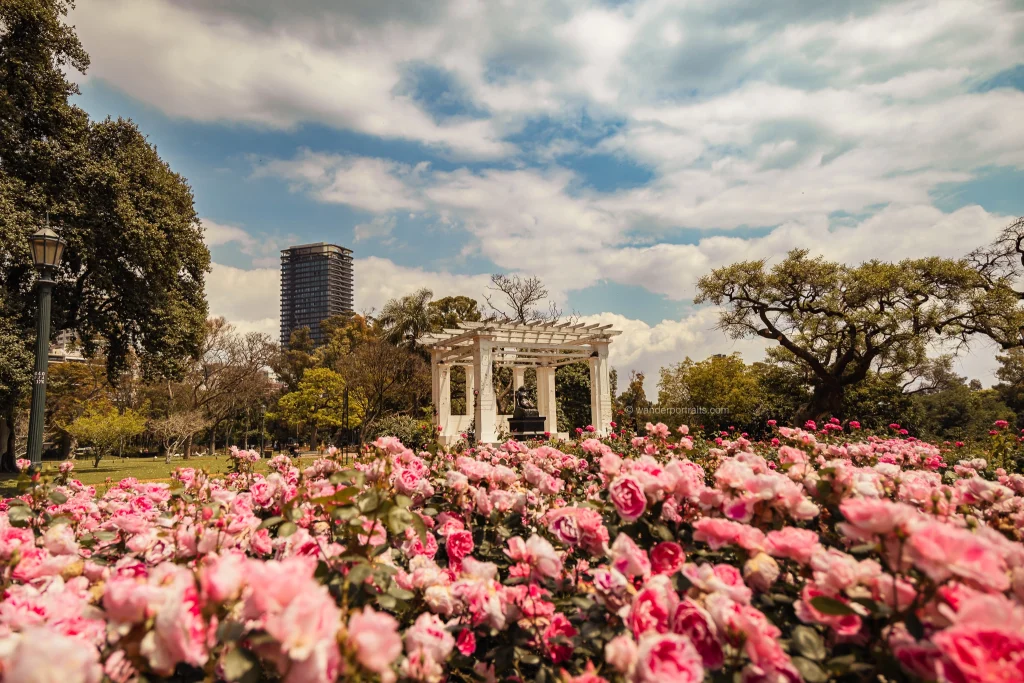
 A garden path surrounded by roses and greenery in El Rosedal

Make a realistic photography plan

Choose one area for a short outing. Puerto Madero and the historic center can be combined when you allow time to move between them, but trying to cover every location in this guide will leave little time for photography.

Think about the kind of images you want, the time you have, and how much walking you enjoy. Leave some flexibility for changing light and the scenes you find along the way.

Questions about photographing Buenos Aires:

Can I use my phone at these photo spots?

Yes. These locations offer subjects for a phone or camera. Clean your lens, check your background, and move to improve the composition before relying on digital zoom.

What is the best time to take photos?

There is no single best hour for every location. Softer light suits some scenes, while direct sun creates stronger shadows. For gardens, interiors, and businesses, access hours also matter.

Can I visit all these places in one afternoon?

I would choose fewer stops and leave more time to photograph. The locations are spread across different parts of the city, and travel time is part of the plan.

Is it safe to use a camera or phone on the streets of Buenos Aires?

You can enjoy photographing Buenos Aires with your camera or phone, but take sensible precautions and stay aware of your surroundings. Keep your belongings close and never leave equipment unattended.

For areas such as La Boca and San Telmo, I recommend visiting during the day, when shops, markets, and other activities bring people to the streets. Weekend markets can offer lively scenes to photograph, but keep an eye on your belongings in crowds, too.

If a street or situation makes you uncomfortable, put your equipment away and move somewhere you feel more at ease. Trust your instincts.

Explore with a Local Photographer

Want some company and a little creative guidance along the way? Join me for Snap & Stroll, a Buenos Aires photo tour where we explore with your camera or phone and work with the light, framing, and scenes we find.

Explore Snap & Stroll

Whichever places you choose, give yourself time to wander. Stop for a coffee, look up from the map, and follow the details that catch your eye. I hope this guide helps you come home with photographs that feel like your own experience of Buenos Aires.

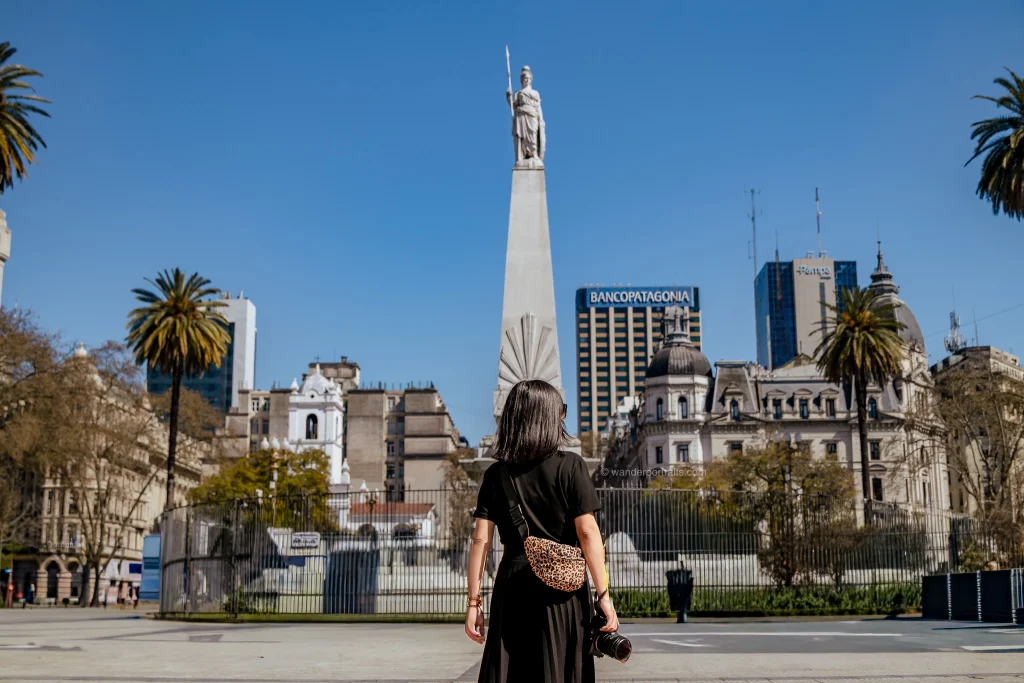
Woman exploring plaza de mayo in buenos aires with her photography camera in hand

Happy shooting!

Gi.

Is Buenos Aires LGBT+ Friendly?

Is Buenos Aires LGBT+ Friendly?

Yes, Buenos Aires is generally welcoming to LGBT+ visitors.

With an established queer cultural scene, cafés, nightlife, and Pride celebrations. For a first visit, start with coffee at Maricafé, explore the events at Casa Brandon, or try a queer tango class.

If Pride is part of your plans, look at November and confirm the dates before booking your trip.

I’m Gissel, the photographer behind WanderPortraits. This guide brings together places and experiences to help you find your own way to enjoy Buenos Aires, whether you are visiting on your own, with your partner, or with friends.

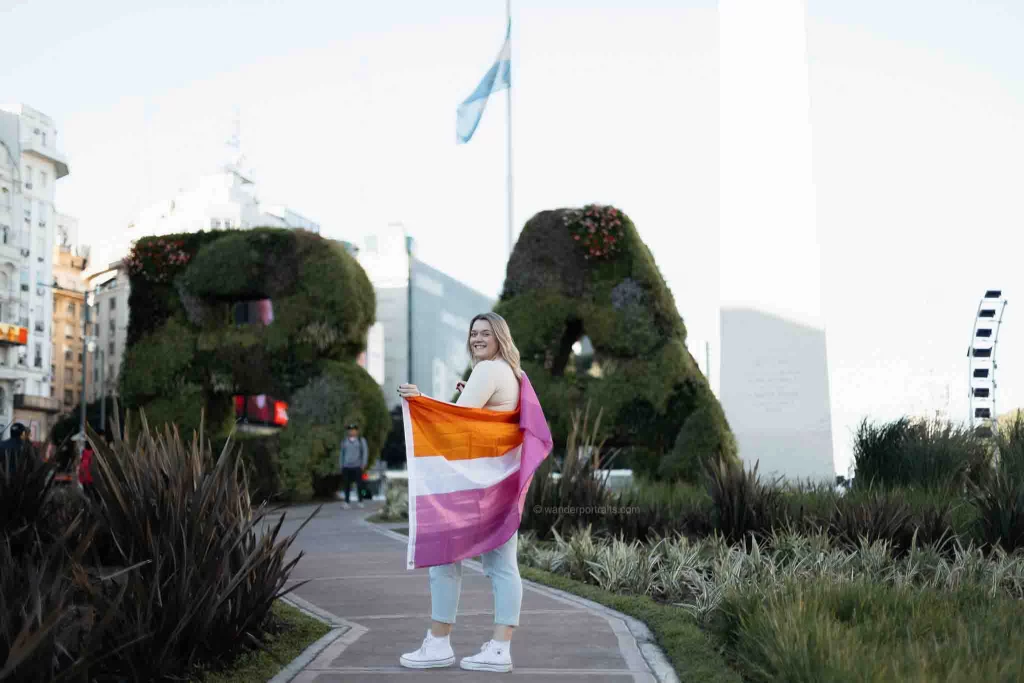
Woman holding the lesbian flag at the Buenos Aires obelisk

What makes Buenos Aires an LGBT+ friendly destination?

The city’s queer community has a visible presence in its cultural life, from independent spaces and bookshops to dance floors and public celebrations.

Argentina also has important legal milestones behind that visibility. Same-sex marriage became legal nationwide in 2010, and the Gender Identity Law, passed in 2012, recognizes the right to gender identity and to be treated accordingly.

Those achievements are part of a continuing history of activism. Visiting a community cultural space or joining a queer history tour can help you understand the people and movements behind them.

For your trip, this means there are many ways to connect with LGBT+ life beyond a night out: a book presentation, a film screening, a dance class, or a conversation over coffee.

Is Buenos Aires safe for LGBT+ visitors?

Buenos Aires can be a welcoming place to visit, but that should not be read as a guarantee that discrimination never happens. Experiences can differ depending on your identity, the setting, and the people around you. Local queer tour operator Lunfarda also makes this distinction when describing the city.

For evenings out, choose an event that suits the atmosphere you want and check how you will get back to your accommodation. Keep your phone and belongings attended, and watch your drink in busy bars and clubs. These are useful precautions when enjoying the city’s nightlife.

If a venue or interaction makes you uncomfortable, you can leave or speak to the staff. Choosing explicitly LGBT+ spaces can also make it easier to find information about the audience and the venue’s approach before you go.

When is Buenos Aires Pride?

Buenos Aires’ main Pride march, the Marcha del Orgullo, usually takes place in early November. The city’s Pride tradition began in 1992, and the march has historically followed Avenida de Mayo from Plaza de Mayo toward Congress.

The 2026 march took place on Saturday, November 7. For a future visit, check the official Marcha del Orgullo website for the confirmed date, meeting points, and program.

The surrounding Pride celebrations can include cultural activities, performances, and community events. Check each year’s announcements rather than assuming the same parties or schedules will repeat.

Pride is both a celebration and a demonstration for rights and visibility. If you attend with a camera, be considerate when photographing people, especially close-up portraits.

Which LGBT+ parties should you check before your visit?

Start with the event’s current program. Several familiar names are recurring parties rather than clubs with a fixed weekly schedule.

  • Club 69: An option for a club night at Niceto. Check Niceto’s calendar for the next edition and its ticket link; older recommendations about a particular weekday may no longer apply.
  • RHEO: A party series from the team behind RHEO, HUMAN, and BAGFEST. Look at the specific event announcement for the date, venue, and tickets.
  • FEL!ZA: A queer social and cultural club with a changing program of parties, drag, performances, and other events. Choose the night that matches what you enjoy.

Before buying, check the music, opening time, age requirements, location, and entry conditions. A familiar party name does not necessarily mean every edition offers the same experience.

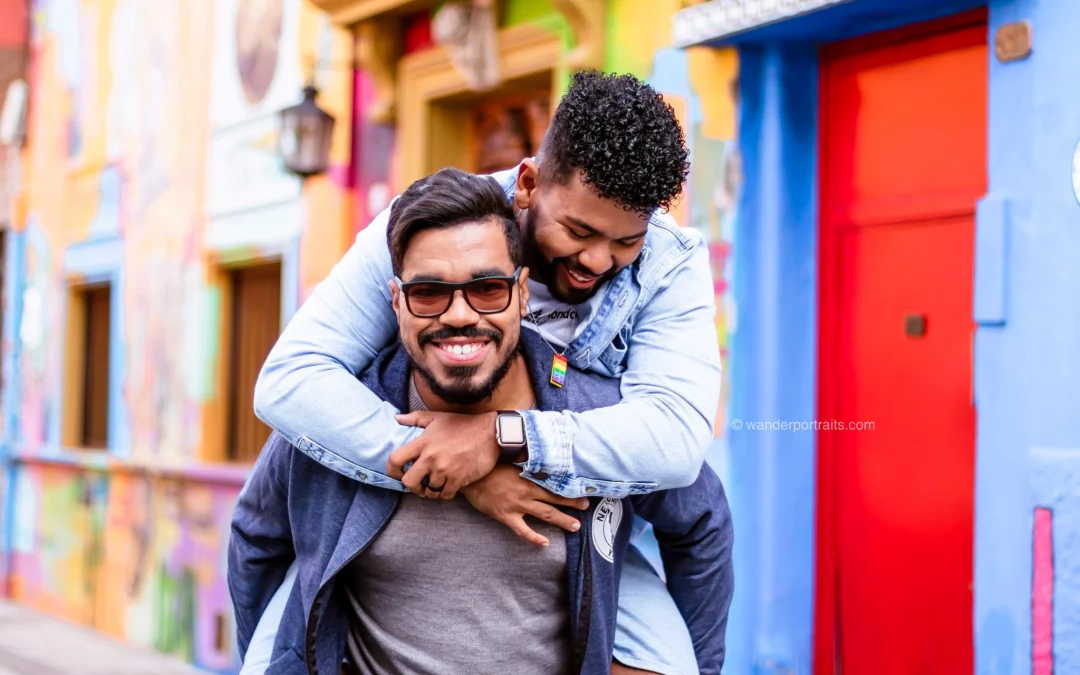
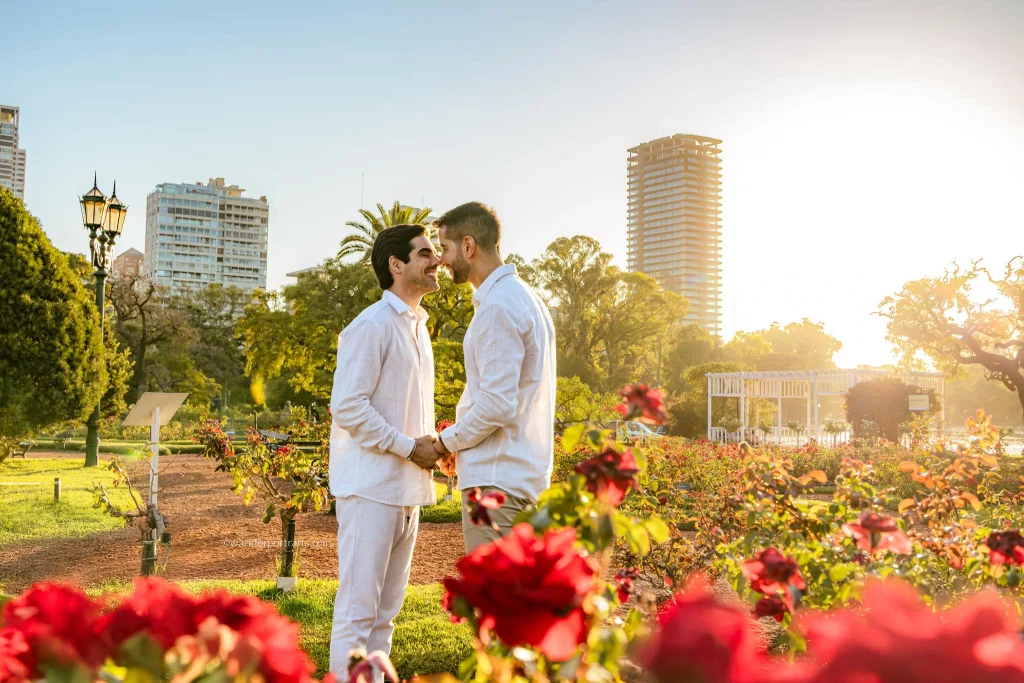
gay couple photoshoot in the roses garden buenos aires

Where can you find LGBT+ cafés, cultural spaces, tango, and tours?

There is plenty to explore if your ideal outing starts earlier or includes something beyond a dance floor.

Where can you go for coffee, books, or a drink?

Maricafé combines a café, bar, and LGBT+ bookshop. It is a useful starting point for a daytime visit, with food, books, and a cultural agenda to explore. Check its program if you would like to catch an event while you are in town.

Peuteo is a gay bar in Palermo Soho to consider for drinks and an evening out. Check its own announcements for the current program rather than planning around an old listing.

Where can you experience queer art and culture?

Casa Brandon is a queer cultural center in Villa Crespo. Its program includes live music, performances, film screenings, poetry, book presentations, and exhibitions. Browse the agenda and choose something that interests you; for spoken performances, check the language if you do not speak Spanish.

La Greco brings together a bar and cultural programming. It is another option to check for shows and events during your stay, with the details depending on the evening.

Can you try queer tango in Buenos Aires?

Yes. Queer tango opens up the dance so that leading and following are not assigned according to gender. You can explore the roles that interest you and dance with the partner you choose.

Check Tango Queer Buenos Aires for classes, milongas, and special events. A milonga is a social tango gathering; if you are new to the dance, ask whether the event includes a beginner-friendly class and whether you can attend without a partner.

Festival dates and venues should be checked separately from the regular program.

How can you learn about Buenos Aires’ LGBT+ history?

Lunfarda Travel offers queer history tours led by members of the local community. Its tours explore Argentina’s LGBT+ history and support a community education project.

This is an option if you would like more context for the places you visit and the rights celebrated during Pride. Check the available formats, languages, and dates directly with the team.

Do you need to visit during Pride to enjoy LGBT+ Buenos Aires?

No. Pride brings a particular energy to the city, but cafés, cultural spaces, tango activities, and nightlife give you options throughout the year.

My suggestion is to choose a few experiences that genuinely interest you and leave room for the rest of Buenos Aires, too. A museum afternoon, a walk through Palermo, or dinner together can be just as much a part of your trip.

Use the links above to check what is happening during your actual travel dates.

Would you like photographs of your time in Buenos Aires?

LGBT+ individuals, couples, and families are welcome at WanderPortraits. Whether you are celebrating an engagement, enjoying a trip together, or making time for yourself, my aim is to help you feel comfortable and create natural photographs that feel like you.

You can explore my Buenos Aires photoshoot experiences and choose the session that suits your plans.

I hope you find places here where you feel welcome, people you enjoy meeting, and plenty of moments you want to remember.

See you in Buenos Aires,

Gi.

Copyright © 2026wanderportraits.com